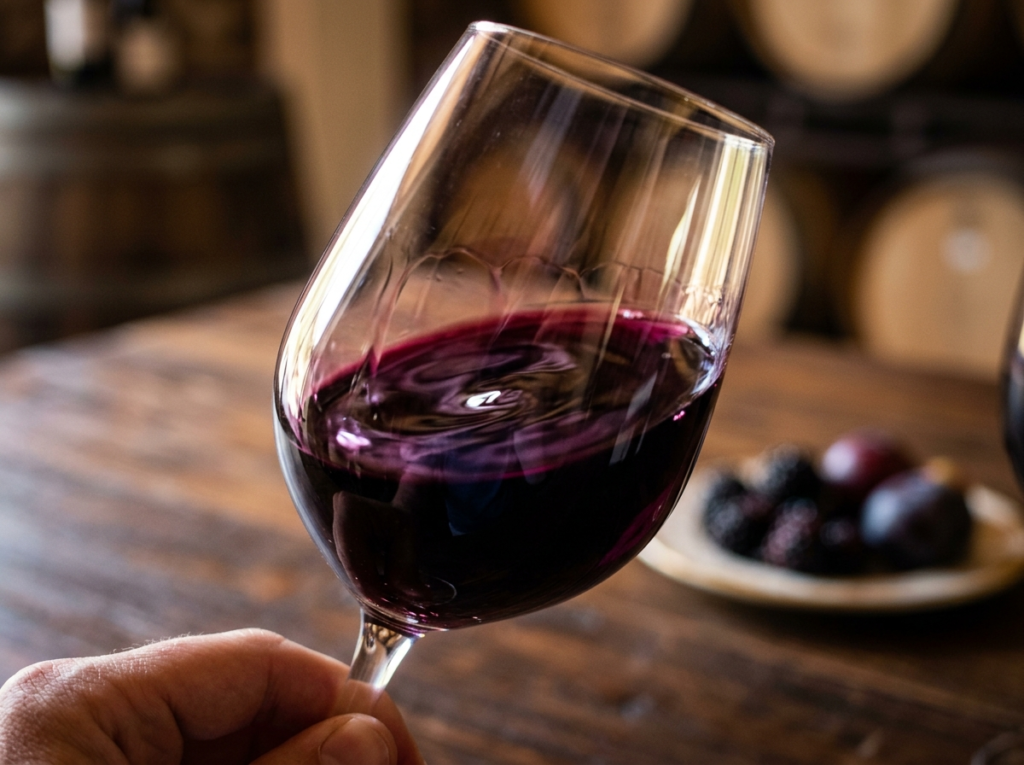
Argentina produces over 75% of the world’s Malbec — and that single fact reshaped the global wine map. A grape that was nearly wiped out in France found a second life thousands of miles away in Mendoza, and it didn’t just survive. It thrived. Today, Malbec is one of the most popular red wines on the planet, and there are very real reasons for that kind of love.
But if you’ve ever stood in a wine aisle wondering what the fuss is about, or if you’ve had a glass and thought “that was good, but why does everyone keep talking about it?” — this is for you. We’re going to break down what makes Malbec so special, where it comes from, what it tastes like, and most importantly, what to eat with it. Because wine, at the end of the day, is about the experience at the table.
A Grape That Almost Disappeared
Malbec has one of the most dramatic backstories in the wine world. It’s originally a French grape — specifically from Cahors, a small appellation in southwest France. For centuries, the wines from Cahors were known as the “black wines” because of their incredibly dark, inky color. Malbec was part of Bordeaux blends too, playing a supporting role alongside Cabernet Sauvignon and Merlot.
Then came the phylloxera epidemic in the late 1800s. This tiny root-eating insect devastated European vineyards, and Malbec got hit particularly hard. French winemakers largely moved on. They replanted with hardier, more commercially viable grapes. Malbec in France shrank to near irrelevance.
But here’s the twist. In 1853 — before phylloxera even struck — a French agronomist named Michel Aimé Pouget brought Malbec cuttings to Argentina at the request of the Argentine government. They were trying to establish a serious wine industry, and Malbec just happened to be one of the grapes that made the journey.
Nobody could’ve predicted what happened next. The high-altitude vineyards of Mendoza, with their dry climate, intense sunlight, and dramatic temperature swings between day and night, turned out to be perfect for Malbec. The grape expressed itself differently here — riper, softer, more fruit-forward — and Argentine winemakers ran with it.
April 17th is now celebrated as World Malbec Day, marking the date in 1853 when Argentina’s president officially committed to transforming the country’s wine industry. That decision turned Argentina into a wine powerhouse and gave Malbec its global identity.
What Does Malbec Actually Taste Like?
If you’ve never had Malbec, imagine a wine that sits right in the sweet spot between boldness and approachability. It’s not as heavy as a big Cabernet Sauvignon, not as soft as a Pinot Noir. It occupies its own lane.
A typical Argentine Malbec gives you dark fruit — think plums, blackberries, black cherries. There’s often a hint of something floral, like violet, which is actually one of Malbec’s signature calling cards. You might also pick up notes of cocoa, vanilla, or a touch of spice, especially if the wine spent time aging in oak barrels.
The tannins in Malbec tend to be medium — present enough to give the wine structure but smooth enough that you don’t feel like your mouth is drying out. That’s a big part of why Malbec appeals to both experienced wine drinkers and people who are just starting to explore reds.
French Malbec from Cahors tastes noticeably different. It’s leaner, earthier, more tannic. You’ll get more dark, savory flavors — leather, tobacco, dark herbs — and less of that ripe fruit sweetness. It’s a more austere wine, built for patience and aging. Some wine lovers prefer this style, arguing it has more complexity. Others find it too stern. Neither opinion is wrong.
Did you know? Malbec’s signature deep purple color comes from the grape’s unusually thick skin. Thicker skins mean more anthocyanins (the pigment compounds), which is also why Malbec tends to be loaded with antioxidants — more so than many other red varieties.
Why Argentina Changed Everything for Malbec
You can grow Malbec in lots of places. Winemakers in Chile, Australia, South Africa, and even parts of California and Washington State have planted it. But Argentina owns this grape in a way few countries own any single variety.
The reason is altitude. Mendoza’s vineyards sit between 2,000 and 5,000 feet above sea level. Some vineyards in the Uco Valley push even higher. At those elevations, the UV radiation is intense, which causes the grape skins to thicken further as a natural defense. More skin thickness equals deeper color, more concentrated flavor, and richer tannins.
The other factor is the diurnal temperature variation — a fancy way of saying the days are hot and the nights are cold. Grapes need warm days to ripen properly, but they also need cool nights to retain acidity. Without that acidity, wine tastes flat and flabby. Mendoza gives Malbec both — ripe, generous fruit and enough freshness to keep things balanced.
Within Argentina, you’ll find meaningful differences based on where exactly the grapes grow. Luján de Cuyo, one of the historic wine regions near Mendoza city, produces Malbecs with a classic profile — rich, plummy, well-rounded. The Uco Valley, which sits higher and cooler, tends to produce wines with more elegance, brighter acidity, and sometimes a mineral edge. Then you have Salta in the far north, where vineyards can reach over 9,000 feet, producing some of the most concentrated, intense Malbecs on earth.
Pro Tip: If you see “Uco Valley” or “Gualtallary” on an Argentine Malbec label, you’re likely getting a more refined, elegant style. If you see “Luján de Cuyo” or “Maipú,” expect something richer and more traditional. Both are great — just different.
Malbec and Food: A Match That Makes Sense
Here’s where Malbec really earns its fans. This is a wine that wants to be at the dinner table. It doesn’t demand attention like a massive Napa Cab, and it doesn’t fade into the background like a light-bodied red. It plays well with an impressive range of foods.
The classic pairing — and the one that made Malbec famous — is Argentine steak. Argentina has one of the world’s great beef cultures, and Malbec grew up alongside it. A grilled ribeye or a traditional asado (a slow-cooked barbecue that’s practically a religion in Argentina) with a bottle of Malbec is one of those combinations where both the food and the wine become better together.
But don’t limit yourself to steak. Malbec’s medium tannins and fruit-forward character make it a surprisingly versatile partner. It works beautifully with lamb — roasted, grilled, or braised. It handles rich pasta dishes with meat sauces without overpowering them. If you enjoy food from a meat-centric weekend spread, Malbec should be your go-to bottle.
It’s also a strong match for dishes with smoky, charred, or caramelized flavors. Think burgers off the grill, roasted vegetables with a nice char, or even pizza with sausage and peppers. The fruitiness in Malbec complements smoke and spice in a way that feels natural, not forced.
And if you’re exploring the balance of acid and fat in your cooking, Malbec is a great wine to have alongside. Its acidity cuts through richness, while its fruit rounds out dishes that have a tangy edge.
A few pairings worth trying:
- Slow-braised short ribs with a red wine reduction
- Grilled lamb chops with chimichurri
- Hard, aged cheeses like Manchego or Gouda
- Mushroom risotto (especially if you’ve properly cleaned those mushrooms first)
- Dark chocolate — yes, really. Malbec’s cocoa notes make this work surprisingly well
How to Pick a Good Bottle Without Overthinking It
One of the best things about Malbec is that it offers excellent value. You can find genuinely good bottles in the $10–$20 range, which isn’t something you can say about most wine regions producing quality reds.
Here’s what to look for when you’re browsing.
Check the region. A bottle that says “Mendoza” on the label is a solid starting point. If it gets more specific — naming a sub-region like Uco Valley, Luján de Cuyo, or Vista Flores — that usually means the winery is proud of where those grapes came from, which is a good sign.
Look at the vintage. Malbec is generally meant to be enjoyed young. Most bottles in the $10–$25 range are best within 3–5 years of the vintage date. If you’re spending more — say $30 and above — the wine may have more aging potential, but don’t feel pressured to cellar it unless you want to.
Notable producers to try: Catena Zapata (widely credited with putting Argentine Malbec on the world stage), Achaval-Ferrer, Zuccardi, Trapiche (especially their single-vineyard wines), Kaiken, and Altos Las Hormigas. But honestly, part of the joy with Malbec is experimenting. Grab a bottle you haven’t tried before. The floor for quality Argentine Malbec is remarkably high.
Pro Tip: Malbec doesn’t need hours of decanting, but giving it 20–30 minutes of air before you drink does help. Pour it into a glass and let it sit, or use a decanter if you have one. You’ll notice the aromas open up and the flavors become more defined. And speaking of glasses — if you’re curious about which wineglass works best, a standard red wine glass with a wide bowl gives Malbec plenty of room to breathe.
Malbec Beyond Argentina: Worth Exploring?
Argentina dominates the Malbec conversation, but it’s not the only place making interesting wine from this grape.
France (Cahors) is the original home, and the wines there have been making a quiet comeback. A new generation of winemakers in Cahors is producing Malbecs — they call it Côt locally — that balance the traditional earthy, tannic style with a bit more fruit and accessibility. If you enjoy wines with more structure and savory character, Cahors Malbec is worth seeking out. It pairs particularly well with hearty dishes — think duck confit, cassoulet, or a rich consommé followed by braised meats.
Chile produces some solid Malbec, often from the Colchagua and Maule valleys. Chilean versions tend to sit somewhere between the ripe Argentine style and the leaner French style.
The United States has a small but growing Malbec scene, primarily in Washington State and California. These wines tend to be fruit-forward and bold, sometimes with higher alcohol levels, reflecting the warmer growing conditions.
Australia, particularly in regions like McLaren Vale and the Adelaide Hills, has been experimenting with Malbec as well. The results are promising, though production remains tiny compared to Argentina.
The point isn’t that you need to try Malbec from every corner of the earth. But if you fall in love with Argentine Malbec — and many people do — knowing that there’s a whole other dimension of this grape waiting in Cahors can keep the exploration going.
Why People Keep Coming Back to Malbec
There’s a practical reason Malbec has become so popular, and it goes beyond flavor profiles and food pairings. Malbec is easy to enjoy. That’s not a criticism — it’s a genuine strength.
A lot of wine can feel intimidating. Burgundy requires encyclopedic knowledge of vineyards. Bordeaux demands patience and deep pockets. Barolo and Brunello reward experience. These are all wonderful wines, but they come with a learning curve. Malbec doesn’t ask you to study. You open it, pour it, and it delivers.
That accessibility is what made Malbec a gateway wine for millions of people. Someone who’s been drinking beer or cocktails tries a glass of Malbec at a dinner party, and it clicks. It’s fruity without being sweet. It’s bold without being harsh. It’s complex enough to be interesting but straightforward enough to be enjoyable from the first sip.
For experienced wine drinkers, the appeal is different. High-end Argentine Malbecs — bottles from Catena Zapata’s Adrianna Vineyard, or Zuccardi’s Finca Piedra Infinita, or Viña Cobos — have earned serious critical acclaim. Wine critics who once dismissed Argentine wine now routinely score top Malbecs above 95 points. The grape has proven it can produce wines of genuine depth, ageability, and terroir expression.
And that’s the beautiful thing about Malbec. It meets you wherever you are. A $12 bottle for a Tuesday night dinner? Great choice. A $60 bottle for a special occasion? You won’t be disappointed. Wine should be like that — welcoming, not exclusive.
Pairing Malbec with Your Cooking Adventures
If you’re someone who likes to cook and drink wine while doing it (no judgment — that’s half the fun), Malbec is a fantastic kitchen companion. Its bold fruit and gentle tannins make it forgiving with a wide range of flavors, which means you don’t have to stress about perfect pairing rules.
Throwing together a weeknight meal? Open a Malbec. Cooking something more ambitious from one of your favorite cookbooks? Malbec can handle the bold spices in Mexican cuisine better than you might expect. Planning a weekend project involving slow-cooked meat? Pour yourself a glass while the chef’s tricks work their magic.
And here’s something people don’t talk about enough: Malbec is a great cooking wine too. Not the cheap “cooking wine” from the grocery store — actual Malbec. Use it to deglaze a pan after searing steak. Add a splash to your demi-glace. Braise short ribs in it. The wine’s fruit and color add richness to sauces that cheaper wines simply can’t match.
FAQ
Is Malbec a dry wine?
Yes. Malbec is a dry red wine. The ripe fruit flavors — plum, blackberry, cherry — can sometimes make it taste slightly sweet, but there’s very little residual sugar in a finished Malbec. What you’re tasting is fruit character, not sweetness. If you prefer dry reds but want something that doesn’t feel austere or bitter, Malbec hits that mark perfectly.
What’s the difference between Argentine Malbec and French Malbec?
Argentine Malbec tends to be riper, fruitier, and rounder, with softer tannins and notes of plum, dark berries, and chocolate. French Malbec from Cahors is leaner and more tannic, with earthy, savory flavors — think leather, dark herbs, and black fruit with more structure. The difference comes down to climate and winemaking traditions. Argentina’s high-altitude sun produces riper fruit; France’s cooler conditions preserve more acidity and tannin.
Should I let Malbec breathe before drinking?
Giving it 20–30 minutes of air helps, especially with mid-range and premium bottles. You can pour it into a decanter or simply pour your glass and let it sit for a bit. Younger, less expensive Malbec doesn’t need as much time, but even a few minutes can smooth things out and let the aromas come forward.
Can Malbec be aged?
Entry-level Malbec (under $20) is best enjoyed within a few years of release. Premium bottles — particularly single-vineyard or reserve wines from top producers — can age beautifully for 8–15 years, developing more complex flavors like tobacco, leather, dried fruit, and spice. If you’re buying to cellar, look for wines with good acidity and structured tannins.
What temperature should I serve Malbec?
Slightly below room temperature — around 60–65°F (16–18°C) — is ideal. Most people serve red wine too warm, which can make the alcohol feel hot and the flavors muddy. If your bottle has been sitting in a warm kitchen, 15 minutes in the fridge takes the edge off without overcooling it.
Your Next Glass Is Waiting
Malbec’s story is one of resilience, reinvention, and a grape that found its true home on the other side of the world. Whether you’re picking up your first bottle or your fiftieth, there’s always something new to discover — a different sub-region, a different producer, a different pairing that surprises you.
Next time you’re at the store, skip the wine you always buy. Grab a Malbec from a region you haven’t tried before. Open it with dinner, pour a glass for someone who’s never had it, and see what happens. That’s really the whole point of wine — sharing something good with people you enjoy. And Malbec, more than most wines, seems to understand that.