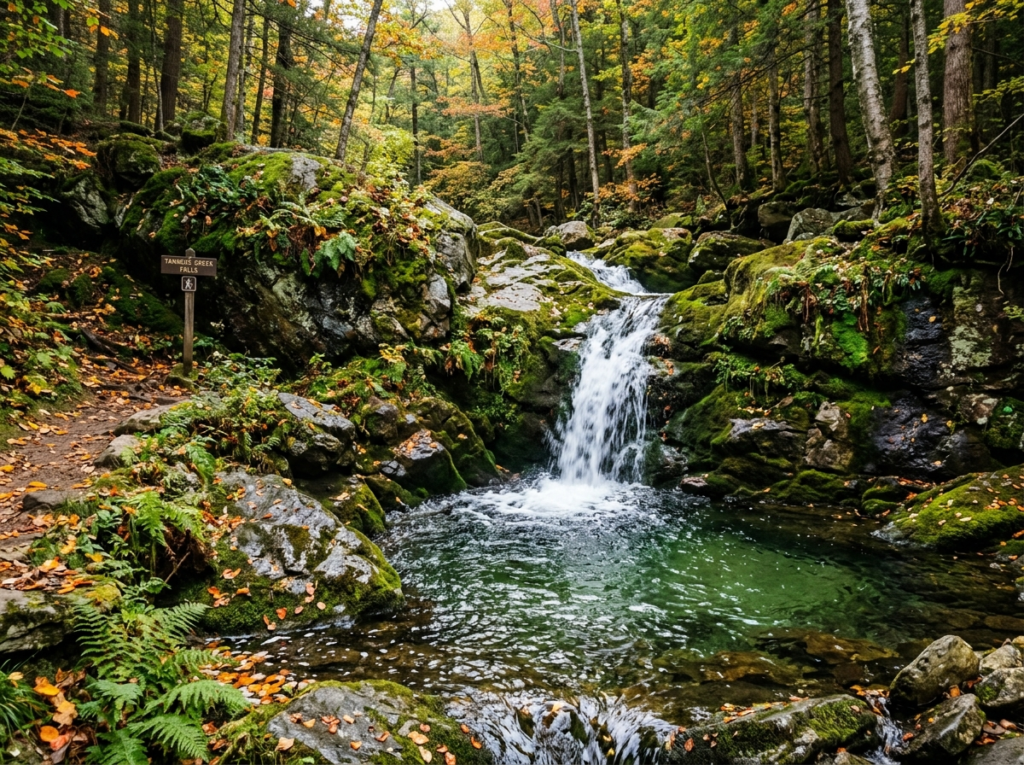
Most people think of Massachusetts and their mind jumps to Boston clam chowder, Cape Cod beaches, or maybe a fall drive through the Berkshires. Fair enough — those are all great. But there’s a quieter, more surprising side of this state that rarely makes it onto the typical tourist radar. The kind of place where you pull up, look around, and think: How did I not know about this?
That’s the feeling you get when you stumble across a true hidden gem in Massachusetts — a place where the food scene hums with authenticity, the landscapes aren’t crowded with selfie sticks, and the locals still greet you like a neighbor. Whether it’s a tucked-away town on the western edge of the state, a coastal village south of Boston that time seems to have forgotten, or a farm-to-table restaurant in a converted barn, Massachusetts has pockets of magic that most travel guides simply skip over.
And honestly? That’s part of the charm.
Why Massachusetts Has More to Offer Than People Realize
Here’s something that surprises a lot of visitors: Massachusetts is one of the most geographically diverse states in the Northeast. You’ve got rocky Atlantic coastline, rolling farmland, river valleys, dense forests, and mountain ridges — all packed into a state you can drive across in about three hours.
But diversity of landscape isn’t the only thing people underestimate. The food culture here is incredibly deep-rooted. Long before “farm-to-table” became a trendy label slapped onto menus, Massachusetts farmers, fishermen, and home cooks were doing exactly that. The state has a culinary heritage that stretches back centuries — from cranberry bogs and oyster beds to apple orchards and dairy farms that have been family-run for generations.
The problem? Most of this richness gets overshadowed by Boston. Don’t get me wrong, Boston is a fantastic food city. But if you never leave the city limits, you’re missing out on experiences that feel more personal, more grounded, and often more memorable.
Think about it like this: Boston is the loud, confident friend who always holds court at dinner parties. The hidden gems of Massachusetts are the quiet ones sitting in the corner — the ones who, once you actually talk to them, turn out to be the most interesting people at the table.
The Western Edge: Where the Berkshires Get Quietly Extraordinary
If you’ve heard of the Berkshires, you probably associate them with Tanglewood concerts, fall foliage, and the occasional celebrity sighting in Great Barrington. And yes, all of that exists. But beyond the well-known cultural spots, the Berkshires hold some genuinely under-the-radar experiences that most weekend visitors drive right past.
Small towns like Shelburne Falls, for instance. It’s a village of roughly 1,700 people, sitting on the Deerfield River, with a glacial pothole formation called the Glacial Potholes that looks like it belongs in a geology textbook. There’s also the Bridge of Flowers — an old trolley bridge that local women’s clubs converted into a garden walkway back in 1929. It’s still maintained by volunteers, and walking across it in June or July feels like stepping into a painting.
But what really gets me about places like this is the food. You’ll find farmstead cheese makers, small-batch maple syrup producers, and bakeries where the bread is still shaped by hand at 4 AM. There’s no pretense. No Instagram staging. Just people who are really, really good at what they do, making food for a community that appreciates it.
If you enjoy exploring regional food traditions the way you might explore Basque Country’s culinary roots, then a slow drive through Western Massachusetts will feel like coming home to a place you’ve never been.
The North Shore: Salem’s Shadow Hides Real Treasures
Salem gets all the attention — and sure, the witch trials history is genuinely fascinating. But travel just a bit further up the North Shore and you’ll find towns like Rockport, Gloucester, and Essex that offer a completely different Massachusetts experience.
Essex, for example, has a legitimate claim as the birthplace of the fried clam. Lawrence “Chubby” Woodman reportedly first dropped a clam into a pot of hot oil at his roadside stand back in 1916. Woodman’s of Essex is still there, still family-run, and still pulling in crowds who know where to look. But even beyond Woodman’s, Essex has a concentration of seafood spots and antique shops that makes it worth a full afternoon.
Pro Tip: If you visit Essex on a weekday morning, you’ll avoid the weekend rush entirely. Grab your fried clams, walk along the Essex River, and enjoy the kind of quiet that’s becoming rare in New England coastal towns.
Gloucester, on the other hand, is a working fishing port — one of the oldest in the country, dating back to 1623. It doesn’t have the polished, tourist-friendly feel of, say, Nantucket. What it does have is authenticity. The fishing boats in the harbor are real. The fishermen’s memorial on Stacy Boulevard is genuinely moving. And the Portuguese bakeries and Italian restaurants scattered through town reflect generations of immigrant families who built their lives around the sea.
There’s a rawness to Gloucester that you either feel or you don’t. If you’re the kind of person who’d rather eat a bowl of caldo verde at a family-run spot on Main Street than sit in a waterfront restaurant with $40 lobster rolls, Gloucester will speak to you.
The Pioneer Valley: College Towns and Culinary Surprises
The Pioneer Valley — essentially the Connecticut River corridor running through the center of the state — is one of those areas that most out-of-state visitors don’t even know exists. It’s anchored by towns like Northampton, Amherst, and Greenfield, and it has an energy that’s hard to describe unless you’ve spent time there.
Northampton is the standout. It’s a college town (Smith College is here), but it punches way above its weight in dining, arts, and culture. The restaurant scene is diverse and surprisingly sophisticated for a town of about 29,000 people. You’ll find everything from wood-fired pizza to Ethiopian cuisine to a ramen shop that would hold its own in any major city.
What makes the Pioneer Valley special, though, isn’t any single restaurant or attraction. It’s the ecosystem. The area is surrounded by farms — Connecticut River Valley soil is some of the most fertile in New England — and many of those farms sell directly to local restaurants. You can literally eat a salad at dinner that was growing in a field ten miles away that same morning.
For anyone who values knowing where their food comes from, this is the kind of place that makes you rethink your relationship with eating. It’s not unlike the philosophy behind organizing a small home kitchen with intention — everything has a purpose, nothing is wasted, and the result is something that just works.
Amherst is quieter and more academic (UMass Amherst and Amherst College are both here), but it has its own charms. The Emily Dickinson Museum is worth a visit if you’re even slightly literary, and the surrounding hills offer some of the best views in the state during foliage season.
The South Shore and South Coast: Overlooked and Underrated
While the North Shore gets moderate attention and Cape Cod draws millions, the South Shore and South Coast of Massachusetts remain stubbornly under the radar. And honestly, the people who live there seem to prefer it that way.
New Bedford is the anchor of the South Coast, and it deserves a longer look than most people give it. This was once the whaling capital of the world — Herman Melville set the opening chapters of Moby-Dick here for a reason. The New Bedford Whaling Museum is one of the best small museums in the country, with full-size whale skeletons and an extraordinary collection of scrimshaw and maritime art.
But what caught me off guard about New Bedford was the Portuguese food scene. The city has one of the largest Portuguese-American populations in the country, and you can feel that influence everywhere — from the bakeries selling malasadas (Portuguese doughnuts) to the restaurants serving bacalhau (salt cod) prepared a dozen different ways.
Did You Know? New Bedford’s Feast of the Blessed Sacrament, held every August since 1915, is the largest Portuguese feast in the world. Yes, larger than any in Portugal itself. It draws over 100,000 visitors across four days, with traditional food, music, and parades.
If you enjoy food cultures that carry deep history and immigrant soul — similar to what you might experience in Mexico City’s Roma Norte — New Bedford will genuinely move you. The food here isn’t trendy. It’s inherited.
A bit further east, you’ll find Padanaram and Dartmouth, small coastal villages where the pace of life slows to something almost meditative. There’s good sailing, quiet beaches, and farm stands that make summer feel like it should always feel.
The Islands Everyone Forgets (No, Not Nantucket)
When people think of Massachusetts islands, Martha’s Vineyard and Nantucket come to mind immediately. But there are smaller, lesser-known islands worth your attention.
Cuttyhunk Island, part of the Elizabeth Islands chain off the South Coast, has a year-round population of fewer than 20 people. Twenty. You can reach it by a small ferry from New Bedford, and once you’re there, you’re essentially on a two-mile stretch of land with stunning views, a few walking trails, and almost nothing else. There’s no nightlife. No boutique shopping. Just ocean, sky, and a level of quiet that’s genuinely hard to find on the East Coast anymore.
It’s the kind of place you go to reset. Bring a book, a bottle of wine (choose one that feels right — maybe a glass you actually know how to pick), and let the rest of the world do whatever it’s doing without you for a day or two.
Plum Island, up near Newburyport on the North Shore, is another one worth knowing. It’s technically a barrier island, and the Parker River National Wildlife Refuge covers most of it. Birders love it. Beachcombers love it. And the sunsets from the western shore, looking back toward the marshes, are the kind of thing you remember years later.
Eating Like a Local: What to Seek Out
One of the best parts of exploring a hidden gem in Massachusetts is discovering food that doesn’t try to be anything other than what it is. There’s no performance here. No deconstructed anything. Just honest cooking done with local ingredients by people who care.
A few things worth seeking out on any Massachusetts back-roads trip:
Fresh apple cider donuts in the fall — dozens of orchards make them, and they’re best eaten warm, standing in a field somewhere. If you want to get nerdy about it, try comparing different apple varieties and tasting how they change the flavor.
Quahog chowder on the South Coast — different from the creamy New England style you’re used to. It’s often thinner, more brothy, and lets the clam flavor do the talking.
Farmstead cheeses from the Berkshires and Pioneer Valley — small producers like Cricket Creek Farm and Smith’s Country Cheese are making products that rival anything from Vermont, without the Vermont price markup.
Maple syrup in late February and March — many sugar houses open their doors to visitors during sugaring season. You can watch the whole process, from tapping trees to boiling sap, and buy syrup that was literally made that morning.
And if you find yourself in a town with a good bakery — and you will — don’t rush past it. Some of the best bread and pastry in Massachusetts comes from places you’d never find on Google unless someone told you about them. It’s a lot like those bakeries in Chicago that are worth the wait — the best ones don’t need to advertise.
When to Go (and How to Make the Most of It)
Massachusetts is a four-season destination, but each season reveals a different personality.
Spring (April–May) is muddy and unpredictable, but it’s when the farmers’ markets start coming alive and the shad run begins in the Connecticut River. It’s also when you’ll have most places almost entirely to yourself.
Summer (June–August) brings warmth, beach days, and outdoor dining. The South Coast and North Shore are perfect during this window. Just avoid July 4th weekend if you want any semblance of peace.
Fall (September–November) is, of course, the big draw. The foliage peaks in mid-October in most of Western Massachusetts, and apple picking, cider pressing, and harvest festivals make it the most food-centric season of the year.
Winter (December–March) is cold and quiet, but that’s exactly why some people love it. A snowy weekend in a Berkshires inn, with a fireplace, a good book, and a home-cooked meal, is the kind of restorative experience that expensive spa retreats try to replicate but never quite match.
Pro Tip: If you’re planning a food-focused trip, aim for late September through early October. The harvest is at its peak, the air is crisp, and the crowds haven’t fully arrived yet. It’s that perfect two-week window when Massachusetts is at its absolute best.
Planning Your Trip Without Overplanning It
Here’s something I’ve learned from years of food travel: the best discoveries happen when you leave room for them. If you schedule every meal and map every stop, you’ll miss the hand-painted sign pointing down a dirt road to a farm stand. You’ll drive past the diner where the locals are lined up at 7 AM for pancakes.
Have a loose plan. Know your general direction. But keep at least half your meals unplanned. Ask people. Talk to the woman at the gas station, the guy at the cheese counter, the bartender at the one pub in town. Massachusetts locals — especially outside the cities — are proud of their food, their land, and their towns. They’ll point you toward things that no app or travel blog would ever surface.
That’s the thing about a hidden gem in Massachusetts — it stays hidden precisely because it doesn’t try to be found. It doesn’t optimize for search engines or run influencer campaigns. It just exists, doing its thing, waiting for the kind of traveler who still values stumbling onto something real.
If you approach food travel the way a private chef approaches their craft — with curiosity, humility, and a willingness to let the ingredients guide the meal — Massachusetts will reward you in ways you didn’t expect.
Frequently Asked Questions
What are some hidden gems in Massachusetts for food lovers?
The Pioneer Valley (especially Northampton), New Bedford’s Portuguese food scene, and Essex’s historic seafood spots are all standout destinations that most visitors overlook. Small farmstead cheese makers in the Berkshires and family-run bakeries throughout Western Massachusetts also offer memorable culinary experiences that don’t make it into mainstream travel guides.
What’s the best time of year to visit hidden gem towns in Massachusetts?
Late September through early October is ideal for food-focused travel. The fall harvest is at its peak, apple orchards and farm stands are fully stocked, and the weather is crisp without being cold. You’ll also catch the beginning of foliage season without the heavy mid-October tourist traffic.
Is Massachusetts worth visiting beyond Boston?
Absolutely. While Boston has a strong restaurant scene, some of the most authentic and memorable food experiences in the state are found in smaller towns and rural areas. The South Coast, North Shore, Berkshires, and Pioneer Valley each offer distinct food cultures, landscapes, and local traditions that you simply won’t find in the city.
How do I find the best local restaurants in rural Massachusetts?
Ask locals. Seriously — gas station attendants, farmers’ market vendors, and innkeepers are your best resources. Many of the most loved spots in small Massachusetts towns don’t have much of an online presence. Look for places where the parking lot is full of local license plates on a weekday morning. That’s usually your signal.
Your Next Drive Starts Here
Massachusetts isn’t one thing. It’s not just lobster rolls and Red Sox games and Harvard Yard. It’s a state with deep layers — culinary, cultural, historical — that reveal themselves slowly, usually to the people who take the time to look.
You don’t need a big budget or a detailed itinerary. You just need a full tank of gas, a willingness to take the scenic route, and the kind of appetite that goes beyond food — an appetite for places and people and stories that don’t come pre-packaged.
Pick a direction. Drive until something catches your eye. Pull over. Walk in. Order whatever they’re known for. And when the person behind the counter asks if it’s your first time, tell them the truth.
You’ll be back.