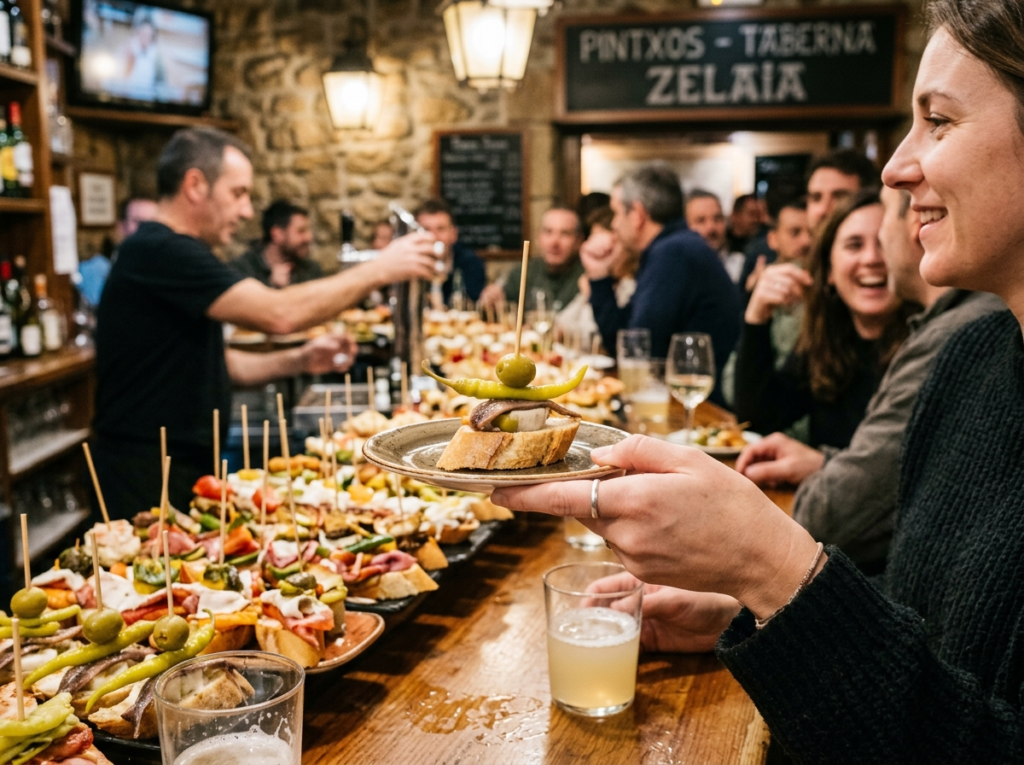
The Basque Country has more Michelin stars per capita than almost anywhere else on earth. Let that settle for a second. A region roughly the size of New Hampshire, straddling the border of Spain and France, quietly produces some of the most extraordinary food you’ll ever taste. And yet, most travelers breeze through on a day trip from Barcelona or a quick stop on the Camino de Santiago. They eat a few pintxos, snap a photo of La Concha beach, and move on.
That’s exactly what I did the first time. And it’s exactly why I went back.
A return trip to Basque Country — this time built entirely around food — changed the way I think about culinary travel. Not just because the food was exceptional (it was), but because the Basque approach to eating reveals something deeper about culture, identity, and community. If you’ve been once and felt like you barely scratched the surface, or if you’re planning your first trip and want to do it right, this is your blueprint.
What Makes Basque Country a Culinary Destination Unlike Any Other
You might wonder what separates Basque Country from, say, Tuscany or Lyon or Oaxaca — all places with deep food traditions and passionate cooks. The difference is structural. Basque food culture isn’t just about restaurants or markets or home cooking. It’s about all three, woven together so tightly that you can’t really experience one without the others.
Start with the txoko — the traditional Basque gastronomic society. These are private cooking clubs, mostly male-dominated historically (though that’s slowly changing), where members gather to cook elaborate meals together. Not a restaurant. Not a cooking class. A social institution built around the act of preparing food for your friends. Some txokos have been running for over a century. There are more than 1,500 of them in the Basque region.
Then there’s the pintxo culture, which is nothing like tapas despite what travel blogs will tell you. Pintxos (pronounced “peen-chos”) are small bites served on bread or skewers at bars, but the level of craft is staggering. In San Sebastián, a single pintxo bar might offer 30 different creations, each one thought through with the precision of fine dining. The culture of bar-hopping — moving from place to place, eating one or two pintxos at each stop — turns dinner into a walking tour of a city’s culinary personality.
And underneath all of this sits a fierce regional identity. The Basques have their own language (Euskara), their own sports, their own mythology. Food isn’t separate from that identity — it’s the primary vehicle for expressing it. When a Basque cook makes bacalao al pil-pil, they’re not just cooking cod. They’re performing something ancestral.
If you’ve traveled for food to places like Mexico City’s Roma Norte neighborhood or explored the surprising food scene in Ireland, you’ll recognize that feeling — the sense that eating in a place teaches you something no guidebook can.
San Sebastián: The Undisputed Capital of Basque Eating
Let’s be honest. San Sebastián (Donostia in Euskara) is the reason most food lovers even know about Basque Country. With a population of roughly 190,000, this coastal city holds three restaurants with three Michelin stars — Arzak, Martín Berasategui, and Akelarre. That concentration of culinary excellence is almost absurd for a city this size.
But the real magic of San Sebastián isn’t in the Michelin-starred dining rooms. It’s in the Parte Vieja — the old town — where pintxo bars line narrow streets and the energy on a Friday night feels electric. Locals and tourists pack shoulder to shoulder, glasses of txakoli (the local slightly sparkling white wine) in hand, plates of gilda (anchovy, olive, and guindilla pepper on a skewer) disappearing as fast as they’re set out.
Pintxo Bars You Shouldn’t Miss
A few spots stand out, not because they’re trendy but because they’ve earned their reputations over decades. Bar Nestor is famous for exactly two things: its tortilla española (they make two per day — one at 1 PM, one at 8 PM, and when they’re gone, they’re gone) and its tomato salad. That’s it. Two dishes. Perfection through simplicity.
La Cuchara de San Telmo takes a different approach — hot pintxos cooked to order, including a slow-braised veal cheek that could make you rethink everything you know about bar food. Gandarias serves beautifully seared beef on bread with just enough salt and olive oil to make you question why anyone complicates steak.
The trick to doing pintxos right is pacing. Don’t sit down. Don’t fill up at one bar. Eat one or two things, finish your drink, and move on. The Basques call this a txikiteo — the ritual of hopping from bar to bar with friends. It’s not just eating. It’s a social practice. Rushing it defeats the purpose.
Beyond Pintxos: Where to Sit Down and Stay Awhile
If you do want a proper sit-down meal, San Sebastián delivers there too. Arzak, run by Juan Mari Arzak and his daughter Elena, has held three Michelin stars since 1989. The food is rooted in Basque tradition but pushed into unexpected territory — think smoked eel with mango, or egg yolk coated in an edible black ink shell. Reservations fill up months in advance, so plan early.
For something more relaxed but still extraordinary, Kokotxa in the old town offers a tasting menu that walks the line between modern technique and traditional Basque flavors. Their take on hake kokotxas (the gelatinous throat of the hake fish, a Basque delicacy) is worth the trip alone.
Pro Tip: If you love wine but feel uncertain about what to order, the local txakoli is almost always the right call with pintxos. It’s young, acidic, and poured from a height to aerate it — a small spectacle every time. For something deeper on wine pairing, you might enjoy reading about choosing the right glass for your wine — it matters more than most people think.
Bilbao: The Underrated Food City in Basque Country
San Sebastián gets all the headlines, but Bilbao — the Basque Country’s largest city — has quietly become one of Spain’s most exciting food destinations. The Guggenheim Museum put Bilbao on the tourist map in 1997, but the city’s food scene has been building its own reputation, especially over the last decade.
The Mercado de la Ribera, one of Europe’s largest covered markets, sits along the Nervión River and offers a crash course in Basque ingredients. Stalls piled with fresh anchovies, Idiazábal cheese (a smoky sheep’s milk cheese from the Basque highlands), piles of piquillo peppers, and slabs of bonito tuna. Walking through the market in the morning, when vendors are still setting up and the light comes through the stained glass windows, is one of those quiet travel moments that sticks with you.
Bilbao’s pintxo scene is less polished than San Sebastián’s but arguably more authentic. The bars in the Casco Viejo (old quarter) tend to be louder, more crowded, more local. Gure Toki has won pintxo competitions with creative bites that change seasonally. Café Iruña, with its Moorish-inspired interior, has been serving drinks since 1903 and feels like stepping into a time capsule.
For a sit-down meal, Mina holds a Michelin star and operates out of a tiny space along the river with only a handful of tables. Chef Álvaro Garrido focuses on seasonal Basque ingredients with modern technique — the kind of restaurant where the menu changes constantly because the fish market dictates what’s available.
Did you know? Bilbao’s food culture is heavily influenced by its industrial history. As a working-class port city, Bilbao developed a tradition of hearty, no-nonsense cooking — stews, grilled meats, salt cod — that still defines its culinary character today, even as newer restaurants push boundaries.
The Basque Coast and Countryside: Where Ingredients Tell the Story
One mistake a lot of food-focused travelers make is staying exclusively in the cities. The Basque countryside and coastline are where you truly understand why the food tastes the way it does.
Getaria: A Fishing Village Built on Grilled Fish
About 25 kilometers west of San Sebastián, the tiny fishing village of Getaria smells like woodsmoke and seawater. This is the birthplace of Juan Sebastián Elcano, the first person to circumnavigate the globe, but today it’s known for one thing: grilled fish.
Restaurants along the harbor — Elkano is the most famous — cook whole turbot and other fish over open charcoal grills, basting them with nothing but olive oil and sea salt. The simplicity is the point. When your turbot was swimming in the Bay of Biscay that morning, you don’t need complicated sauces. You need fire, fat, and salt. Elkano earned a Michelin star doing exactly this, and eating there feels less like dining out and more like being fed by someone who respects the ingredient too much to interfere with it.
Idiazábal: Cheese Country
Head inland into the Basque highlands and you’ll find shepherds still making Idiazábal cheese the way it’s been made for centuries — from raw sheep’s milk, aged in natural caves or smokehouses. The smoky, nutty flavor of this cheese is unlike anything you’ll find at a typical cheese counter. Some producers offer farm visits where you can watch the process and taste wheels at different stages of aging.
Pairing Idiazábal with membrillo (quince paste) and a glass of red wine from Rioja Alavesa — the Basque section of the Rioja wine region — is one of those flavor combinations that feels almost too perfect. If you’re someone who appreciates how acid and fat work together in cooking, you’ll recognize the principle at work here: the tangy sweetness of the quince cutting through the rich, smoky fat of the cheese.
The Rioja Alavesa Wine Route
Speaking of Rioja Alavesa — this corner of Basque Country produces some of Spain’s finest Tempranillo-based wines, and the landscape of vineyards against a backdrop of the Sierra de Cantabria mountains is genuinely stunning. Wineries like Marqués de Riscal (with its Frank Gehry-designed hotel) and Bodegas Ysios (designed by Santiago Calatrava) blend world-class architecture with serious winemaking.
Smaller, family-run bodegas often offer more intimate tastings. You’ll sit in a barrel room, taste directly from the cask, and talk to someone whose family has been growing Tempranillo for four or five generations. If you’ve ever explored what makes Malbec special, you’ll appreciate the parallel — a single grape variety expressing a very specific place.
Cooking in the Basque Style: What You Can Bring Home
One of the best parts of a culinary immersion trip is bringing techniques home with you. Basque cooking, for all its sophistication, relies on a handful of principles you can apply in your own kitchen.
Master the emulsion. Bacalao al pil-pil — salt cod cooked slowly in olive oil with garlic and chili — creates a silky emulsion entirely from the gelatin in the fish and the oil. No cream, no butter, no flour. The sauce forms itself if you’re patient enough. The gentle swirling motion used to coax the emulsion together is a technique worth practicing. It teaches you something fundamental about how proteins and fats interact.
Respect the ingredient. Basque cooking rarely buries a main ingredient under layers of competing flavors. A grilled fish gets olive oil and salt. A steak gets fire. Vegetables get served at their peak with minimal intervention. This philosophy — that great cooking starts with great shopping — is one of the most useful lessons you can take away, whether you’re grilling a turbot or organizing your home kitchen for better results.
Use peppers wisely. The Basque pantry revolves around a few key pepper varieties: the piquillo (sweet, roasted, often stuffed), the guindilla (mild, pickled, served alongside almost everything), and the choricero (dried, with a deep, sweet flavor used in stews). Finding these peppers online or at specialty stores isn’t hard, and they’ll instantly shift your cooking in a more interesting direction.
Don’t skip the stock. Basque stews and sauces build on deeply flavored stocks — fish fumet for seafood dishes, rich meat stocks for winter braises. If you want to truly cook in this tradition, solid stock-making is non-negotiable. For a foundation in that skill, learning to make a proper consommé is a great place to start — the clarity it demands teaches you patience and attention to flavor.
When to Visit and How to Plan Your Culinary Trip
Timing matters more than you might think. The Basque Country experiences distinct seasons, and each one brings different ingredients and experiences.
Spring (April–June) is arguably the best time for a food-focused visit. White asparagus season brings thick, tender spears that show up on menus everywhere, often simply boiled and served with vinaigrette or hollandaise. Spring also brings baby squid (chipirones), fresh peas, and the first anchovy catches.
Summer (July–August) is peak tourist season. San Sebastián fills up, prices jump, and restaurant reservations get harder. But the weather is perfect for the coast, and outdoor food festivals — including the Semana Grande in Bilbao — add festive energy.
Fall (September–October) is harvest season. Mushrooms appear in markets and on menus. The grape harvest in Rioja Alavesa is underway. The crowds thin out. Many food lovers consider early October the sweet spot.
Winter (November–March) is quieter and colder, but the food leans into warming territory — bean stews, braised meats, roasted peppers. Txakoli season winds down, but Rioja wines pair perfectly with the heavier fare. The city cider houses (sagardotegiak) open around January, serving cider straight from massive barrels alongside cod omelets and T-bone steaks cooked over coals.
Quick planning note: Book Michelin-starred restaurants at least 2–3 months ahead. Pintxo bars don’t take reservations — just show up. Consider hiring a local food guide for at least one day; the behind-the-scenes access they can arrange (market visits, txoko dinners, producer tours) is worth every euro.
The French Basque Side: Don’t Ignore It
The Basque Country doesn’t stop at the Spanish border. The French Basque Country (Pays Basque) — centered around Bayonne, Biarritz, and Saint-Jean-de-Luz — offers a culinary experience that’s distinct but clearly connected.
Bayonne is famous for its cured ham (Jambon de Bayonne), which rivals anything from Spain’s Iberian Peninsula. The town’s chocolate tradition stretches back to the 1600s, when Sephardic Jews fleeing the Spanish Inquisition brought cacao processing techniques with them. Bayonne’s chocolatiers still produce some of France’s finest dark chocolate — a detail that chocolate lovers and anyone curious about the full story of chocolate will find fascinating.
Espelette, a small village in the hills, gives its name to the Espelette pepper — a mildly spicy chili that’s dried and ground into a powder used across Basque cooking on both sides of the border. During the annual Espelette pepper festival in October, the entire village is draped in strings of bright red peppers drying in the autumn sun. It’s visually stunning and delicious in equal measure.
The French side also offers a different restaurant culture. Where Spanish Basque dining tends toward either pintxo bars or high-end tasting menus, French Basque restaurants lean into the mid-range — comfortable bistros serving duck confit, piperade (a Basque pepper and tomato stew with eggs), and gâteau Basque (a custard-filled pastry that’s simpler than it sounds and deeply satisfying).
What Most Food Travel Articles Get Wrong About Basque Country
A lot of content about Basque culinary travel focuses exclusively on San Sebastián’s fine dining scene. That’s like writing about Chicago’s food culture and only talking about Alinea. You’d miss the whole picture.
The real depth of Basque food culture lives in the everyday. It’s in the grandmother making beans with chorizo on a Tuesday afternoon. It’s in the fisherman grilling sardines on the dock. It’s in the cider house ritual where you eat standing up, catching streams of cider from barrels seven feet away, and sharing a communal meal with strangers who become friends by the second course.
If you build your trip only around restaurant reservations, you’ll eat very well. But you won’t feel the culture. The culinary immersion happens when you slow down — when you spend a morning at a market asking questions about peppers, an afternoon watching cheese being made, an evening doing a txikiteo with people who’ve been doing it every Friday for 30 years.
That’s the difference between eating in Basque Country and actually experiencing Basque food culture. One fills your stomach. The other changes how you cook, how you eat, and maybe even how you gather with the people you care about.
FAQ
How many days do you need for a Basque Country food trip?
Five to seven days is ideal. That gives you enough time to explore both San Sebastián and Bilbao, take a day trip to the coast or countryside, visit the French Basque side, and still leave breathing room for spontaneous discoveries. Trying to do it in three days means you’ll rush through everything and miss the slower, more meaningful food experiences.
Is Basque Country expensive for food travelers?
It ranges widely. Pintxos typically cost between €2 and €5 each, making a full pintxo dinner surprisingly affordable — you might spend €20–30 per person including drinks. Michelin-starred restaurants, on the other hand, can run €150–300+ per person for a tasting menu. Mid-range restaurants generally fall in the €30–60 range. Markets and cider houses are very reasonably priced. You can eat extraordinarily well on a moderate budget if you balance fine dining with everyday eating.
Do I need to speak Spanish or Basque to enjoy the food scene?
Spanish is widely spoken throughout the region and helpful for navigating menus and conversations. English is common in tourist-facing restaurants and pintxo bars in San Sebastián and Bilbao. On the French side, French is more useful than Spanish. You don’t need to speak Basque (Euskara) — even many locals don’t use it daily — but learning a few words (eskerrik asko for “thank you,” for instance) earns genuine warmth from locals.
Can I take cooking classes in Basque Country?
Yes, and they’re worth it. Several schools and private chefs offer classes ranging from pintxo-making workshops to full-day programs covering traditional Basque techniques. San Sebastián Food, the Mimo cooking school, and Tenedor Tours all offer well-regarded experiences. If you’ve enjoyed hands-on cooking experiences before — even something as focused as a knife skills class — you’ll love the practical, ingredient-driven approach of Basque cooking instruction.
What’s the one dish I absolutely have to try?
If you eat only one thing, make it burnt Basque cheesecake (tarta de queso) at La Viña in San Sebastián’s old town. It’s the original — creamy, caramelized, slightly jiggly in the center, and nothing like the versions that went viral on social media. You’ll understand why an entire global baking trend started from a single bar in a Basque fishing town.
Your Next Trip Starts with a Single Decision
Basque Country doesn’t shout for attention the way Paris or Tokyo does. It sits quietly on the Bay of Biscay, doing what it’s done for centuries — catching fish, making cheese, pouring cider, and feeding people with an intensity of care that’s hard to find anywhere else.
If you’ve been once, you already know there’s more to discover. If you haven’t been yet, stop waiting. Build your trip around food — not just restaurants, but markets, farms, cider houses, and the long, slow meals that turn strangers into friends. Bring your curiosity, your appetite, and a willingness to eat things you can’t pronounce.
The Basque Country will take care of the rest.