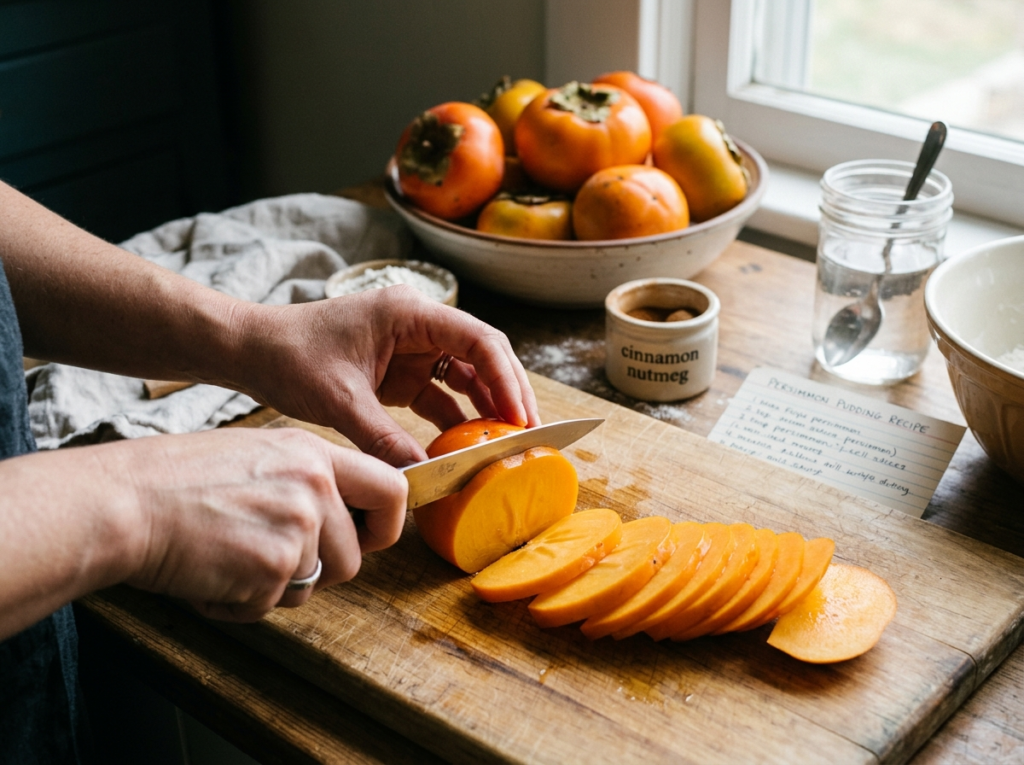
Most people walk right past persimmons at the grocery store. They see that odd, tomato-shaped orange fruit sitting there, and they think, “I wouldn’t even know what to do with that.” And honestly? That’s completely fair. Persimmons aren’t something most of us grew up eating, at least not in the West. But here’s the thing — once you learn a few basics about how to cook with persimmons, you’ll wonder why you ignored them for so long. They bring a honeyed sweetness, a silky texture, and a warmth to both sweet and savory dishes that very few fruits can match.
This isn’t a fruit you need to fear. You just need to understand it a little.
Let’s talk about what persimmons actually are, how to pick the right variety, and — most importantly — how to use them in your kitchen without second-guessing yourself.
First, Know Your Persimmons: Fuyu vs. Hachiya
Before you even think about recipes, you need to understand that there are two main types of persimmons you’ll find at markets, and they behave very differently in the kitchen. Mixing them up is the single biggest mistake people make, and it can ruin your whole experience with this fruit.
Fuyu Persimmons
Fuyu persimmons are the squat, flat-bottomed ones that look a bit like an orange tomato. You can eat them while they’re still firm — just slice them up like an apple. They’ve got a mild sweetness, almost like a pear crossed with brown sugar. They hold their shape well when cooked, which makes them great for salads, roasting, and grilling.
Think of Fuyu as the “forgiving” persimmon. Even if you’re not sure it’s perfectly ripe, it’ll still taste decent.
Hachiya Persimmons
Hachiya persimmons are the taller, acorn-shaped ones with a pointed bottom. And here’s where people get into trouble: if you bite into a Hachiya before it’s fully ripe, your mouth will pucker like you just licked a chalkboard. That chalky, astringent sensation is caused by tannins, and it’s genuinely unpleasant.
But when a Hachiya is completely ripe — we’re talking soft as a water balloon, almost jelly-like inside — it transforms into pure, luscious sweetness. The pulp becomes like custard, and it’s perfect for baking, smoothies, and puddings.
Quick rule of thumb: Fuyu = eat firm, like an apple. Hachiya = wait until it’s practically falling apart.
How to Tell if a Persimmon is Ripe
Ripeness matters more with persimmons than almost any other fruit. Get it wrong with a Hachiya, and you’ll swear off persimmons forever. Get it right, and you’ve got one of the most delicious ingredients on the planet.
For Fuyu persimmons, look for a deep orange color with no green patches. A little give when you press gently is fine, but they should still feel relatively firm. If they’re rock-hard and pale, give them a few days on the counter.
For Hachiya persimmons, you’re waiting until the skin looks almost translucent and the fruit feels like a bag of jelly. Most people pick them up too early. If you think it’s ripe, wait two more days. Seriously. The flesh should practically pour out when you cut it open.
Pro Tip: Want to speed up ripening? Toss your persimmons into a paper bag with a banana or an apple. The ethylene gas from those fruits will accelerate the process. You can also freeze a Hachiya overnight and then let it thaw — the freezing breaks down the cell walls, which reduces that astringent bite and softens the fruit dramatically.
Cooking with Persimmons: Where to Start
Here’s the fun part. Persimmons are one of those ingredients that work beautifully in both sweet and savory dishes, which gives you a lot of room to play. Let’s break it down.
Sweet Applications
Baking is probably the most popular way people cook with persimmons, especially Hachiyas. The soft, ripe pulp blends right into batters and gives baked goods a moist, dense texture with a caramel-like sweetness.
Persimmon bread and muffins are the classics. Think banana bread, but with a deeper, more complex flavor. You swap in persimmon pulp where you’d normally use mashed banana, and the result is something richer and more interesting. Add a little cinnamon, nutmeg, and a pinch of clove, and you’ve got a fall baked good that beats pumpkin bread — yeah, I said it.
Persimmon pudding is another old-school favorite, particularly in the American Midwest and parts of the South. It’s more like a baked custard than a British-style pudding, and it’s one of those desserts that people get genuinely emotional about. Families pass down persimmon pudding recipes the way they pass down jewelry.
You can also make persimmon jam or butter, which is essentially simmered pulp with sugar and spices. Spread it on toast, swirl it into yogurt, or use it as a glaze for roasted meats. If you’ve ever made homemade pickles or preserves for a holiday table, the process feels very similar — low heat, patience, and good ingredients.
For something a little more refined, try a persimmon sorbet. Blend ripe Hachiya pulp with a simple syrup and a squeeze of lemon, freeze it, and you’ve got a dessert that looks and tastes like you spent hours on it.
Savory Applications
This is where persimmons really surprise people. That natural sweetness plays off savory, salty, and acidic flavors in a way that feels sophisticated without being fussy.
Roasted Fuyu persimmons are a revelation. Cut them into wedges, toss with olive oil and a little salt, and roast at 400°F for about 20 minutes. They caramelize on the edges, soften in the middle, and become the perfect side dish or salad topper. Pair them with arugula, crumbled goat cheese, toasted walnuts, and a drizzle of balsamic. That’s a restaurant-quality salad right there.
Persimmons in grain bowls work beautifully too. Slice firm Fuyu persimmons thin and fan them over farro or quinoa with roasted vegetables. The sweetness balances out earthy grains and bitter greens in a way that just clicks.
Want to go bolder? Wrap thin Fuyu slices in prosciutto. The salty-sweet combination is almost too easy, but it’s one of those appetizers that people can’t stop eating. It works on the same principle as melon and prosciutto, but persimmon brings a firmer texture and a more nuanced flavor. If you’re someone who enjoys exploring how acid and fat interact in cooking, persimmon and cured meat is a beautiful example of balance on a plate.
You can also add persimmon to salsas and chutneys. Dice Fuyu persimmons with red onion, jalapeño, cilantro, and lime juice for a fresh salsa that’s unexpected but works perfectly with grilled fish or chicken.
Persimmons and Global Cuisine: Not Just an American Thing
Persimmons have been cultivated in East Asia for over a thousand years. In Japan, they’re called “kaki” and are one of the most beloved autumn fruits. The Japanese often eat them fresh, dried, or as hoshigaki — a traditional method of hand-drying persimmons over several weeks to create an intensely sweet, almost candy-like treat. It’s labor-intensive, but the result is unlike anything you can buy at a store.
In Korea, persimmons show up in a popular cinnamon punch called sujeonggwa, a chilled drink made with dried persimmons, cinnamon sticks, ginger, and sugar. It’s served as a dessert drink, especially during holidays like Chuseok and Lunar New Year. The dried persimmons rehydrate in the spiced liquid and become soft and chewy — almost like the best part of a fruitcake, minus everything bad about fruitcake.
In parts of Spain and Italy, persimmons (called “cachi” in Italian) are eaten very ripe, scooped straight from the skin with a spoon. It’s a simple pleasure, but sometimes simple is enough.
If you love exploring food from different regions and cultures, you know that the best dishes often come from ingredients you didn’t grow up with. The same curiosity that might lead you to explore culinary traditions in the Basque Country or hunt down the best breakfast spots in Mexico City can lead you to a bag of persimmons at your local farmers market. And that’s a good thing.
A Few Recipes to Get You Cooking
Let’s get practical. Here are three straightforward ways to cook with persimmons that don’t require special equipment or hard-to-find ingredients.
1. Classic Persimmon Bread
This is the gateway recipe. If you’ve never cooked with persimmons before, start here.
You’ll need about one cup of Hachiya persimmon pulp (roughly 2-3 very ripe fruits). Scoop out the flesh, discard the skin and any seeds, and mash or blend until smooth.
Mix the pulp with 1 cup sugar, ½ cup melted butter, 2 eggs, and a teaspoon of vanilla. In a separate bowl, whisk together 2 cups flour, 1 teaspoon baking soda, ½ teaspoon salt, 1 teaspoon cinnamon, and ½ teaspoon nutmeg. Fold the dry ingredients into the wet, add a handful of chopped walnuts or pecans if you like, and pour into a greased loaf pan.
Bake at 350°F for about 55-65 minutes, until a toothpick comes out clean. The bread will be dense and moist — more like a quick bread than a yeasted loaf. Let it cool completely before slicing. It actually tastes better the next day, once the flavors have had time to settle.
Did you know? Persimmon bread stays moist for days because the fruit pulp retains water better than banana or applesauce. It freezes well too — wrap slices individually and you’ve got a quick breakfast for weeks.
2. Roasted Persimmon and Goat Cheese Salad
Grab 2-3 firm Fuyu persimmons and cut them into ½-inch wedges. Toss with a tablespoon of olive oil, a pinch of salt, and a tiny bit of black pepper. Spread on a baking sheet and roast at 400°F for 15-20 minutes until the edges are golden and slightly caramelized.
While those cool for a minute, build your salad. A few handfuls of arugula or mixed greens, crumbled goat cheese, toasted walnuts, and a simple vinaigrette — just olive oil, sherry vinegar, a touch of honey, salt, and pepper. Lay the warm persimmon wedges on top.
The contrast of warm, sweet persimmon against peppery greens and tangy cheese is exactly the kind of thing that makes people say, “Wait, you made this?” It’s also a great example of simple plating making a huge difference — fan those persimmon slices out rather than piling them, and the whole dish looks intentional.
3. Persimmon Chutney
This one’s a workhorse. Make a batch and you’ll find reasons to use it for weeks.
Dice 4 ripe Fuyu persimmons (or use Hachiya pulp if that’s what you have). In a saucepan over medium heat, combine the persimmon with ½ cup apple cider vinegar, ¼ cup brown sugar, a minced shallot, a tablespoon of fresh grated ginger, ½ teaspoon cinnamon, and a pinch of red pepper flakes.
Simmer for about 25-30 minutes, stirring occasionally, until everything breaks down into a thick, jam-like consistency. Season with salt to taste.
Use it on a cheese board, spoon it over grilled pork chops, or spread it on a sandwich. It pairs particularly well with sharp cheddar and crusty bread. And if you’re the kind of person who already makes your own consommé or stocks from scratch, adding a homemade chutney to your repertoire feels like a natural next step.
How to Store Persimmons (And Make Them Last)
Persimmons don’t last forever, but you can extend their life with a little planning.
Unripe persimmons should sit on your counter at room temperature until they reach the ripeness you need. Don’t refrigerate them while they’re still ripening — cold slows down the process significantly.
Ripe Fuyu persimmons will keep in the fridge for about a week. Once they start getting too soft for your liking, that’s actually a good time to cook with them — the extra sweetness from overripeness works in your favor for baked goods and chutneys.
Ripe Hachiya persimmons are delicate and should be used within a couple of days, or you can scoop out the pulp and freeze it. Frozen persimmon pulp keeps for up to six months in a sealed container, so you can bake persimmon bread in March even though the fruit’s season ended in December.
⚠️ Warning: Don’t eat the skin of a Hachiya persimmon. While Fuyu skin is thin and perfectly edible, Hachiya skin tends to be tougher and retains astringent tannins even when the inside is fully ripe. Just scoop and discard.
Speaking of keeping your kitchen organized and your ingredients fresh, having a well-organized small kitchen makes a real difference when you’re working with seasonal produce. Knowing where everything is means you’re more likely to actually cook with those persimmons before they go bad.
Pairing Persimmons with Other Flavors
One of the best things about persimmons is how well they play with other ingredients. Here are some combinations that just work:
Persimmon + warm spices like cinnamon, ginger, nutmeg, and cardamom. These spices amplify the fruit’s natural warmth and make everything taste like autumn in the best possible way.
Persimmon + cheese, especially soft cheeses like brie, goat cheese, mascarpone, or burrata. The creaminess of the cheese balances the fruit’s sweetness. Persimmon slices on a cheese board alongside some great olives and good crackers? That’s a spread people remember.
Persimmon + nuts — walnuts, pecans, hazelnuts, and pistachios all work. The crunch and earthiness contrast with the fruit’s soft sweetness.
Persimmon + citrus. A squeeze of lemon or orange zest brightens up persimmon in baked goods and salads. It prevents that one-note sweetness and adds dimension.
Persimmon + pork or duck. The fruit’s sweetness complements rich, fatty meats the way applesauce goes with pork chops — but with more complexity. Try a persimmon glaze on roasted duck breast, and you’ll see what I mean.
Persimmon + dark chocolate. This is an underrated pairing. Dip dried persimmon slices in melted dark chocolate for a snack that feels indulgent but isn’t that difficult to make. If you already appreciate the nuances of good chocolate, you’ll love how it interacts with the fruit’s honey-like sweetness.
What About Drinks?
Persimmons aren’t only for eating. They can make their way into drinks, too — and not just smoothies (though blending ripe Hachiya pulp with yogurt, a banana, and a little cinnamon makes a killer breakfast smoothie).
Persimmon cocktails are becoming more popular at craft bars. The pulp muddles well and brings a rich, almost butterscotch-like flavor to whiskey-based cocktails. Think of it as a fall twist on an Old Fashioned — muddle some ripe persimmon with a touch of simple syrup, add bourbon, bitters, and ice. If you’re someone who enjoys creative cocktails and dealer’s choice drinks, persimmon is a seasonal ingredient worth experimenting with behind the bar.
Persimmon vinegar is another option, though it takes more patience. Fermented persimmon vinegar is a traditional product in parts of East Asia and has a mellow, fruity acidity that’s beautiful in dressings and marinades.
Even a simple persimmon tea — simmering dried persimmon slices with cinnamon and honey — makes a comforting warm drink on a cold evening.
When is Persimmon Season?
Persimmon season runs roughly from October through January in the United States, with peak availability in November and December. That makes them a perfect Thanksgiving and holiday season fruit. You’ll find them at farmers markets, specialty grocery stores, and increasingly at regular supermarkets during those months.
If you live in California, you’re in luck — the state produces the vast majority of commercially grown persimmons in the U.S. But even if you’re on the East Coast or in the Midwest, they’re becoming easier to find as demand grows.
Outside their season, your best bet is frozen pulp (which you can prepare yourself) or dried persimmons, which are available year-round at many Asian grocery stores.
FAQ
Can you eat persimmon skin?
It depends on the type. Fuyu persimmon skin is thin and completely edible — just wash the fruit and slice. Hachiya skin, though, tends to be tougher and more bitter, so most people scoop out the flesh and discard the skin. There’s no health risk to eating either skin, but the texture and taste of Hachiya skin aren’t pleasant for most people.
What happens if you eat an unripe Hachiya persimmon?
You won’t get sick, but you’ll experience an extremely dry, puckering sensation in your mouth. That’s caused by soluble tannins in the unripe fruit, which bind to proteins in your saliva. It’s not dangerous, just deeply unpleasant. Always wait until Hachiya persimmons are fully soft and translucent before eating them.
Can you substitute persimmon for pumpkin in recipes?
In many cases, yes. Ripe Hachiya persimmon pulp has a similar consistency to pumpkin puree and can replace it 1:1 in most baking recipes. The flavor will be different — sweeter and more fruity — but the texture works well. You might want to reduce the sugar in the recipe slightly since persimmon is naturally sweeter than pumpkin.
How many persimmons do you need to get one cup of pulp?
Roughly 2-3 medium Hachiya persimmons will yield about one cup of pulp. It varies depending on the size of the fruit and how ripe it is. Very ripe persimmons tend to have more usable pulp because there’s less solid flesh clinging to the skin.
Are persimmons good for you?
Persimmons are a solid source of vitamins A and C, dietary fiber, and manganese. One medium Fuyu persimmon has about 120 calories and contains beneficial antioxidants including beta-carotene and lycopene. They’re a nutrient-dense fruit that fits well into most diets. As with any nutritional information, check with a healthcare provider if you have specific dietary concerns.
Your Next Move
Persimmons have this quiet way of converting skeptics. The people who try them out of curiosity almost always come back for more, especially once they realize how versatile the fruit really is. Whether you start with a simple loaf of persimmon bread, a roasted salad, or just eating a ripe Fuyu out of hand like an apple, you’re tapping into a fruit that’s been beloved across cultures for centuries.
Next time you spot those orange globes at the market — maybe right next to the apples you were already planning to compare — pick up a few. Grab some Fuyus for snacking and cooking, and a couple of Hachiyas to let ripen on your counter. Give them a week, get your hands on them, and cook something. You don’t need a fancy recipe or a professional kitchen. You just need a little patience and a willingness to try something new.
That’s really all any good cooking takes.