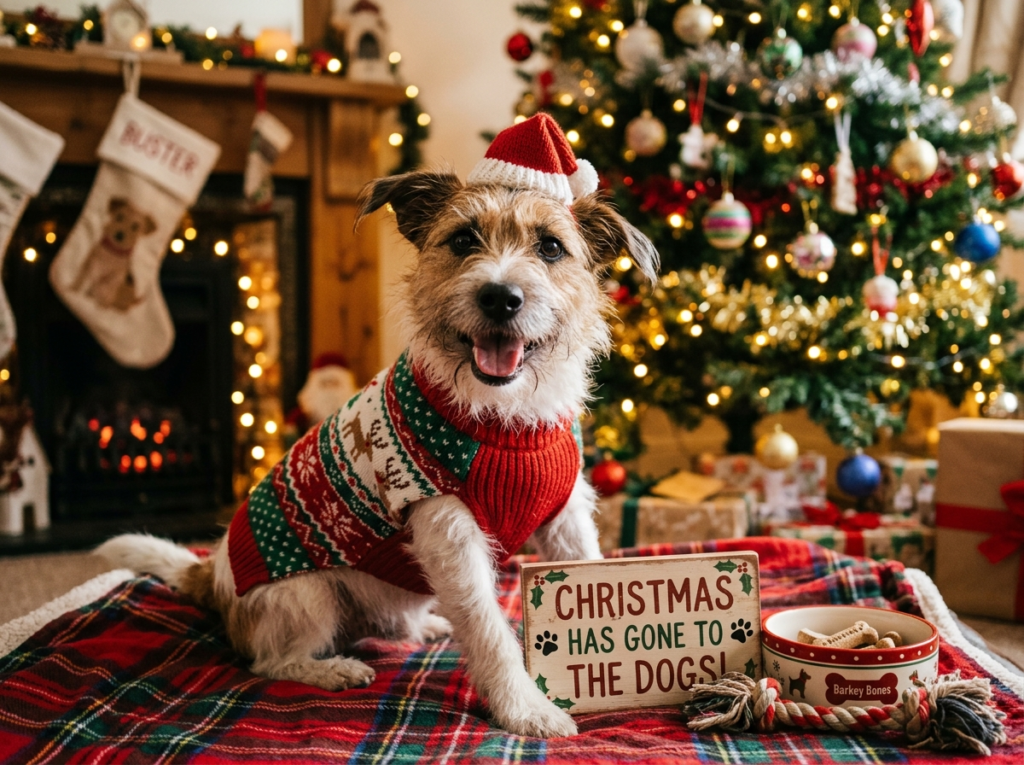
A couple of years ago, a friend of mine spent more on her golden retriever’s Halloween costume than on her own. She wasn’t embarrassed about it either. The dog wore a lobster outfit, posed for photos, and got homemade pumpkin treats shaped like tiny bones. And honestly? That dog looked happier than most of us do on any given holiday.
She’s far from alone. Across the United States, the line between “pet owner” and “pet parent” has blurred so much that holidays now revolve around our four-legged family members almost as much as the two-legged ones. The American Pet Products Association (APPA) reported that Americans spent over $147 billion on their pets in 2023, and a huge chunk of that spending spikes around holidays — Halloween, Christmas, Thanksgiving, Valentine’s Day, even Easter.
So yes, holidays have literally gone to the dogs. And cats. And rabbits. But mostly dogs.
This isn’t just a quirky cultural moment. It reflects something deeper about how we think about family, celebration, and connection. If your dog sits at the table during Thanksgiving (or at least under it, waiting for scraps), this one’s for you.
Why Our Holidays Now Revolve Around Pets
Think about the last holiday gathering you attended. Was there a dog wearing a festive bandana? A stocking hung on the mantle with a pet’s name stitched on it? A special “dog-friendly” dessert sitting next to the pumpkin pie?
You’re not imagining it. Pet inclusion in holiday celebrations has grown steadily over the past decade. A 2023 survey by the National Retail Federation found that about 29 million Americans planned to dress their pets in Halloween costumes — making it one of the most popular pet holidays of the year. Christmas isn’t far behind. Pet gift spending during the winter holidays regularly exceeds $7 billion annually.
But why? What shifted?
Part of it is demographics. Millennials and Gen Z are delaying marriage and kids, and many have channeled that nurturing energy toward pets. Dogs and cats aren’t “just animals” anymore — they’re emotional anchors. They’re the ones who greet you at the door, curl up with you during a bad day, and sit with you through a lonely holiday season.
There’s also the social media factor. Instagram and TikTok have turned pets into celebrities. A dog in a turkey costume gets thousands of likes. A cat knocking over a Christmas tree goes viral. Pet content performs incredibly well online, and that visibility feeds the cycle. People see other pet parents going all out for holidays, and they want to do the same.
It’s a mix of love, loneliness, community, and — let’s be honest — a little bit of consumerism. But at its heart, it’s about including every member of the family in moments of joy.
The Holidays Dogs Love Most (And How People Celebrate Them)
Not every holiday translates well to pet celebrations. Nobody’s throwing their dog a New Year’s Eve bash with fireworks — that would be cruel, not festive. But several holidays have become genuinely dog-centric occasions, and each one has its own traditions.
Halloween: The Costume Capital
Halloween is the undisputed champion of pet holidays. Walk through any neighborhood on October 31st, and you’ll see dogs dressed as hot dogs, pumpkins, superheroes, and even other animals. Pet costume contests have become community events at dog parks, pet stores, and even breweries.
The appeal is obvious. Dogs are naturally funny. Put a tiny hat on a Labrador and people lose their minds. There’s something about the contrast — this dignified animal wearing a shark fin — that just makes people smile.
Pro Tip: If your dog doesn’t enjoy wearing costumes, don’t force it. A simple bandana or collar decoration works just as well. Watch for signs of stress like panting, tucking the tail, or trying to remove the outfit.
Thanksgiving: The Feast (and the Danger Zone)
Thanksgiving is where things get interesting — and where pet parents need to be most careful. The smells coming from that kitchen? Your dog notices every single one. Turkey skin, gravy drippings, buttered rolls — to your dog, Thanksgiving is basically a scent-based amusement park.
Many pet parents now prepare separate “Thanksgiving plates” for their dogs. Plain turkey (no bones, no skin, no seasoning), a spoonful of plain mashed sweet potato, and maybe some green beans. It’s a thoughtful gesture, and it keeps the dog from begging at the table — or worse, stealing from it.
The danger, of course, is table scraps. Onions, garlic, grapes, raisins, chocolate, xylitol (often found in sugar-free desserts), and cooked bones can all be toxic to dogs. The ASPCA Animal Poison Control Center sees a spike in calls every Thanksgiving and Christmas. If you’re planning a big meat-focused holiday spread, be extra mindful of what falls on the floor or gets slipped under the table by well-meaning guests.
Christmas: Peak Pet Pampering
Christmas is where pet spending really explodes. Stockings stuffed with chew toys, personalized ornaments with the dog’s photo, matching family-and-pet pajamas — it’s become a full-blown tradition in millions of households.
Some families take their dogs for professional holiday photos. Others bake homemade dog treats using pet-safe recipes. There’s even a growing market for “dog advent calendars” — 24 little doors, each hiding a different treat or toy, counting down to Christmas Day.
And it’s not just dogs. Cats, rabbits, guinea pigs, and even fish (yes, fish) get holiday attention. But dogs remain the stars of the show because they actually seem to enjoy the fuss. They’ll tear open wrapping paper with genuine enthusiasm. They’ll prance around the house with a new squeaky toy. They give you back the energy you put into celebrating.
Valentine’s Day, Easter, and the Newer Pet Holidays
Valentine’s Day pet spending has grown significantly. A 2024 NRF survey showed that around 27% of people planned to buy Valentine’s gifts for their pets. Heart-shaped treats, red bandanas, “I Woof You” cards — the pet industry has leaned into the romance holiday with gusto.
Easter brings its own set of concerns. Chocolate eggs and candy are everywhere, and dogs are excellent scavengers. If you’re doing an Easter egg hunt in the yard, do a thorough sweep afterward. One missed chocolate egg can mean a very expensive emergency vet visit.
There are also newer, pet-specific holidays that have gained traction: National Dog Day (August 26), National Pet Day (April 11), and even “Gotcha Day” celebrations marking the anniversary of a pet’s adoption. These aren’t Hallmark inventions — they started organically in pet communities and have grown through social media.
The Pet Food Industry’s Holiday Playbook
Here’s where the money side gets fascinating. The pet food industry doesn’t just passively benefit from holiday enthusiasm — it actively shapes it.
Walk into any major pet store around November, and you’ll find holiday-themed dog treats front and center. Turkey-flavored biscuits. Gingerbread-shaped chews. Peppermint-scented dental sticks. The packaging is festive, the branding is warm, and the price tags are… noticeable.
Brands like BarkBox (the subscription service that sends monthly dog toys and treats) release special holiday editions every year. Their Christmas and Halloween boxes sell out fast. It’s genius marketing that taps directly into the emotional bond between people and their pets.
But here’s the thing — and this is worth paying attention to — not all “holiday” pet treats are created equal. Some contain excessive sugar, artificial dyes, or ingredients that aren’t great for your dog’s digestion. Read the label the same way you’d read one for yourself. Better yet, make your own treats at home. A simple recipe with peanut butter (xylitol-free), oats, and pumpkin puree takes about 20 minutes. If you enjoy spending time in the kitchen and cooking from scratch, your dog can absolutely benefit from that skill.
The pet food industry’s holiday push is clever, but your dog doesn’t need a $30 box of artisan biscuits to feel included. A piece of plain cooked chicken and some extra belly rubs will do the job just fine.
Holiday Safety: What Every Dog Owner Needs to Know
All the festive fun in the world doesn’t matter if your dog ends up sick or injured. Holidays bring hazards that we don’t think about on a normal day, and dogs are curious creatures with zero impulse control.
Food Dangers
This deserves its own emphasis because it’s the number one holiday risk for dogs. Here are the foods you should absolutely keep away from your dog:
- Chocolate (especially dark chocolate and baking chocolate) — contains theobromine, which is toxic to dogs
- Onions and garlic — can damage red blood cells and cause anemia
- Grapes and raisins — can cause kidney failure, even in small amounts
- Cooked bones — splinter easily and can puncture the digestive tract
- Xylitol — an artificial sweetener found in gum, candy, and some baked goods; extremely dangerous for dogs
- Alcohol — even small amounts can cause serious problems
If your holiday table includes rich dishes like consommé or complex sauces, those are for humans only. Dogs don’t need seasoned food. Plain, unseasoned proteins and simple vegetables are safe and satisfying for them.
Decoration Hazards
Tinsel is a nightmare for pets. Dogs (and especially cats) love to chew on shiny dangly things, and swallowed tinsel can cause intestinal blockages. Electric light cords are another risk — puppies in particular like to chew on them.
Candles left unattended around a dog with a wagging tail is a recipe for disaster. Poinsettias, while not as deadly as commonly believed, can still cause nausea and vomiting if chewed. Holly and mistletoe are more dangerous.
Noise and Anxiety
Fireworks, loud music, party guests, doorbells ringing repeatedly — holidays are an assault on a dog’s senses. Dogs hear at frequencies we can’t, and sudden loud noises can trigger severe anxiety.
More dogs go missing on July 4th than any other day of the year. The panic from fireworks causes them to bolt, jump fences, and run without direction. New Year’s Eve is a close second.
Quick Fact: The AKC recommends creating a “safe space” for your dog during noisy celebrations — a quiet room with their bed, favorite toys, and some calming background music. Thunder shirts (snug-fitting vests) also help some dogs with noise anxiety.
Travel Stress
If you’re traveling for the holidays and bringing your dog along, plan ahead. Not all hotels are pet-friendly. Not all relatives’ homes are dog-proofed. Car sickness, unfamiliar environments, and disrupted routines can all stress your dog out.
If leaving your dog behind with a sitter or at a boarding facility, book early. Holiday slots fill up fast — sometimes months in advance.
Cooking for Your Dog: Holiday Recipes Worth Trying
You don’t need to be a chef to make your dog a holiday-worthy meal. But if you enjoy cooking and want to extend that love to your pet, here are a few simple ideas that dogs genuinely enjoy.
Simple Turkey and Sweet Potato Bowl
Take some plain, cooked turkey breast (no seasoning, no skin, no bones). Dice it into small pieces. Roast a sweet potato until soft, mash it with a fork, and mix it with the turkey. That’s it. Your dog will act like you just served them a Michelin-star meal.
Pumpkin Peanut Butter Bites
Mix one cup of pure pumpkin puree (not pie filling — that has sugar and spices), half a cup of xylitol-free peanut butter, and enough oat flour to form a dough. Roll into small balls, press flat with a fork, and bake at 350°F for about 15 minutes. These freeze well, too.
Frozen Cranberry Treats (For Warmer Holiday Regions)
Blend plain yogurt (no added sugar) with a handful of fresh cranberries. Pour into silicone molds and freeze. Great for dogs who need to cool down during an outdoor holiday gathering.
If you love exploring food traditions from different cultures — like Basque country cuisine or Mexican breakfast traditions — it’s fun to think about how those flavors translate (safely) into pet-friendly versions. Obviously, skip the chili, the garlic, and the wine. But the spirit of cooking with care and intention? That applies to feeding your dog just as much as feeding your family.
⚠️ Disclaimer: Always consult your veterinarian before introducing new foods to your dog’s diet, especially if your dog has allergies, digestive issues, or is on a special medical diet.
The Emotional Side: Why Including Your Dog Actually Matters
Let’s step back from the costumes and the cookies for a second and talk about why this trend actually matters.
Holidays can be hard. Not everyone has a big family to gather with. Not everyone has a partner to celebrate Valentine’s Day with. Not everyone feels the warmth and cheer that holiday ads promise.
But if you have a dog, you have someone who’s always happy to see you. Always down to sit next to you on the couch. Always willing to share a quiet moment without judgment. For a lot of people, especially those dealing with grief, loneliness, or mental health challenges, including their pet in holiday celebrations isn’t silly — it’s survival.
Studies back this up. A 2023 report from the Human-Animal Bond Research Institute (HABRI) found that 74% of pet owners reported mental health improvements from pet ownership, and that bond strengthens during emotionally charged periods like holidays. Dogs reduce cortisol levels. They encourage physical activity. They give structure to days that might otherwise feel empty.
So when someone tells you they bought their dog a Christmas present, don’t laugh. They’re not crazy. They’re taking care of their mental health in the most wholesome way possible.
Setting Boundaries: When Holiday Fun Crosses a Line for Your Dog
Here’s the other side of the coin, and it’s worth being honest about.
Not every dog wants to be part of your holiday extravaganza. Some dogs are introverts. Some hate crowds. Some get physically anxious around loud noises, unfamiliar smells, or the chaos of a holiday dinner party.
Dressing your dog in an elaborate costume for your Instagram post while the dog is clearly stressed? That’s not celebration — that’s using your pet as a prop. Forcing your anxious rescue dog to sit on Santa’s lap for a photo? Not great.
The key is reading your dog’s body language. Whale eyes (showing the whites of their eyes), flattened ears, lip licking, yawning, and trying to hide are all signs of stress. If your dog is showing these signals, dial it back. A quiet holiday at home with a good chew toy is a perfectly valid celebration.
Did You Know? Dogs can pick up on their owner’s stress levels through scent. If you’re frazzled from holiday prep, your dog might be absorbing that anxiety. Sometimes the best holiday gift for both of you is just… sitting down, breathing, and doing nothing for a while.
If you’re the type who finds peace in simple, grounded rituals — like organizing your kitchen before a big cooking day or picking out the right wine glass for a quiet evening — your dog probably appreciates that calm energy too.
The Business of Pet Holidays: Who’s Really Cashing In?
It would be naive to talk about this trend without acknowledging the business side. Pet holidays aren’t just heartwarming — they’re hugely profitable.
The global pet care market is projected to exceed $350 billion by 2027. Holiday-specific pet products — costumes, themed toys, special foods, photo packages, pet-friendly holiday events — make up a growing portion of that number.
Companies like Chewy, PetSmart, BarkBox, and dozens of smaller artisanal pet brands release holiday collections the same way fashion houses drop seasonal lines. Limited edition. Holiday exclusive. Get it before it’s gone.
Social media influencer dogs — yes, that’s a real category — earn sponsorship deals around holidays. A dog with 500,000 Instagram followers can charge thousands for a single sponsored post featuring a holiday product.
None of this is inherently bad. If a company makes a safe, high-quality treat that your dog loves, and the packaging happens to have snowflakes on it, that’s fine. The problem arises when marketing pressure makes pet owners feel like they have to spend big to prove they love their dogs. You don’t. Your dog has no concept of money. They just want your time, your attention, and maybe a piece of that plain turkey you’re carving for dinner.
FAQ
Can I give my dog turkey on Thanksgiving?
Yes, but only plain, cooked turkey breast with no bones, no skin, and no seasoning. Avoid giving your dog turkey that’s been brined, rubbed with garlic or onion, or cooked with butter. Small, bite-sized pieces are best. If it’s your dog’s first time eating turkey, start with a small amount and watch for any digestive upset.
What Halloween costumes are safest for dogs?
Look for costumes that don’t restrict movement, vision, or breathing. Avoid anything with small buttons, beads, or dangly parts that your dog could chew off and swallow. Bandanas and simple vest-style costumes are usually the safest options. Always supervise your dog while they’re wearing a costume, and remove it if they show signs of discomfort.
How can I keep my dog calm during fireworks on New Year’s Eve or July 4th?
Create a quiet, comfortable space away from windows and doors. Close curtains to block the visual flashes. Play calming music or white noise. Consider a thunder shirt or anxiety wrap. Some veterinarians recommend calming supplements or, in severe cases, anti-anxiety medication. Stay home with your dog if possible — your presence alone can reduce their stress significantly.
Are poinsettias really poisonous to dogs?
Poinsettias are mildly toxic. If a dog chews on them, they may experience drooling, vomiting, or diarrhea, but serious poisoning is rare. Holly and mistletoe are more dangerous and can cause significant gastrointestinal distress and even cardiovascular problems. Keep all holiday plants out of your dog’s reach.
Should I bring my dog to a holiday party?
It depends entirely on your dog’s temperament. Social, well-trained dogs who enjoy meeting new people may do fine. Anxious, reactive, or noise-sensitive dogs will likely be miserable. If you do bring your dog, make sure there’s a quiet room they can retreat to, and never leave them unsupervised around food or small children.
Your Dog Doesn’t Need a Perfect Holiday — Just You
Here’s the truth that no pet product ad will tell you: your dog doesn’t care about the matching pajamas. They don’t know it’s Christmas. They can’t tell the difference between a $40 BarkBox toy and a stick they found in the yard.
What they do know is whether you’re present. Whether you’re calm. Whether you took them for a walk today. Whether you sat on the floor and scratched behind their ears for no reason.
The best holiday gift you can give your dog is attention, safety, and a little bit of good food. If a costume and a photo make you happy and your dog doesn’t mind, go for it. If baking homemade treats brings you joy, your dog will happily be the taste tester. If all you can manage is a quiet evening on the couch with your dog’s head in your lap — that counts as a celebration too.
Holidays have gone to the dogs, and honestly, the dogs are handling it better than most of us. They don’t stress about hosting. They don’t worry about the perfect gift. They just show up, wag their tail, and remind you that the best part of any holiday is having someone to share it with.
So this year, whatever you celebrate, give your dog an extra pat. They’ve earned it.